
Have you ever opened your mouth to yawn, speak, or eat—and heard a clicking or popping sound from your jaw? For many people, jaw clicking starts as a mild annoyance and is easy to ignore. But when that sound becomes frequent, painful, or accompanied by jaw stiffness or headaches, it can signal an underlying jaw joint issue that shouldn’t be overlooked.
Jaw clicking is often linked to problems with the temporomandibular joint (TMJ)—the complex joint that connects your jawbone to your skull. Understanding why jaw clicking happens, what treatments are available, and when it’s time to seek professional care can help prevent long-term damage and restore comfort to everyday movements.
This article explains everything you need to know about jaw clicking, from causes and symptoms to modern treatment approaches available at a jaw clicking treatment clinic in Mumbai.
Understanding Jaw Clicking: What’s Really Happening?
The jaw joint works like a sliding hinge, allowing you to open, close, and move your mouth sideways. Between the jawbone and skull sits a small cartilage disc that ensures smooth movement. When this disc slips out of position or the surrounding muscles and ligaments become strained, you may hear clicking or popping sounds.
Occasional jaw noises without pain are common and often harmless. However, persistent jaw clicking—especially when paired with discomfort—is usually a sign of jaw joint dysfunction.
Common Causes of Jaw Clicking
1. Temporomandibular Joint Disorder (TMD)
One of the most frequent causes of jaw clicking is TMD. In this condition, the cartilage disc inside the joint doesn’t move properly, leading to sound, friction, and sometimes pain. This is where TMJ jaw clicking treatment in Mumbai plays a crucial role in early diagnosis and management.
2. Teeth Grinding (Bruxism)
Grinding or clenching teeth—often during sleep—puts excessive pressure on the jaw joint. Over time, this strain can cause jaw clicking, muscle fatigue, and joint inflammation.
3. Jaw Injury or Trauma
A blow to the face, whiplash injury, or even a difficult dental procedure can damage the jaw joint or misalign the disc, leading to clicking sounds and pain.
4. Poor Bite Alignment
When teeth don’t fit together properly, the jaw compensates by moving unnaturally. This imbalance often contributes to jaw pain and clicking, especially while chewing.
5. Stress and Muscle Tension
Stress leads to unconscious jaw clenching. Tight jaw muscles can pull the joint out of alignment, resulting in clicking or popping sounds during mouth movements.
6. Arthritis in the Jaw Joint
Degenerative joint conditions like osteoarthritis can wear down the joint surfaces, causing rough movement and clicking noises.
Symptoms That Often Accompany Jaw Clicking
Jaw clicking rarely occurs alone. It’s often accompanied by:
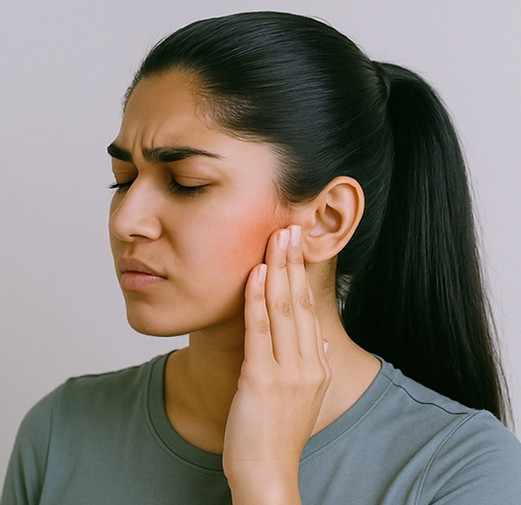
Pain near the ears or jaw
Difficulty opening the mouth fully
Facial pain or headaches
Jaw locking in open or closed position
Neck and shoulder tension
Ear symptoms such as ringing or fullness
When these symptoms persist, seeking jaw popping treatment in Mumbai can help prevent worsening discomfort.
When Jaw Clicking Becomes a Concern
Not every clicking jaw needs treatment. However, you should consult a jaw joint specialist if:
Clicking is painful
The jaw locks or feels stuck
Pain spreads to the face, neck, or ears
Clicking worsens over time
Chewing becomes difficult
Ignoring symptoms may allow a mild issue to progress into chronic jaw clicking treatment territory, which can be more complex to manage.
Diagnosis: How Jaw Clicking Is Evaluated
At a specialized TMJ clinic in Mumbai, diagnosis typically involves:
Detailed medical and dental history
Physical examination of jaw movement
Bite and alignment analysis
Imaging tests such as X-rays, CBCT, or MRI to assess disc position
Accurate diagnosis helps identify the root cause and guides effective treatment planning.
Non-Surgical Treatment Options for Jaw Clicking
Most cases of jaw clicking can be treated without surgery. Modern conservative therapies focus on reducing strain, restoring alignment, and promoting healing.
1. Jaw Exercises and Physiotherapy
Targeted exercises strengthen jaw muscles, improve mobility, and reduce clicking. Physiotherapy is often the first step in achieving long-term jaw clicking relief.
2. Oral Appliances (Splints or Night Guards)
Custom-made appliances reduce pressure on the joint, prevent teeth grinding, and reposition the jaw correctly. These are commonly prescribed by a TMJ specialist in Mumbai.
3. Medication for Pain and Inflammation
Anti-inflammatory medications or muscle relaxants may be recommended for short-term symptom relief.
4. Stress Management Techniques
Relaxation therapies, breathing exercises, and behavioral changes help reduce jaw clenching caused by stress.
5. Bite Correction
Correcting bite misalignment through dental adjustments can significantly reduce jaw strain and clicking sounds.
Advanced Therapies for Persistent Jaw Clicking
When symptoms don’t improve with basic care, advanced therapies may be considered:
Trigger point injections
Ultrasound therapy
Low-level laser therapy
PRP (Platelet-Rich Plasma) injections
These approaches are often available at centers offering affordable jaw clicking treatment with advanced diagnostic tools.
Surgical Treatment: Is It Ever Needed?
Surgery is rarely required and is considered only when:
The jaw joint is severely damaged
Non-surgical treatments fail
There is structural joint abnormality
Most patients achieve excellent outcomes through conservative management at a reputed jaw clicking treatment clinic in Mumbai.
Living With Jaw Clicking: Daily Care Tips
To support healing and prevent worsening:
Avoid chewing gum or hard foods
Maintain good posture
Use warm compresses to relax muscles
Practice jaw relaxation exercises
Limit wide mouth opening
These simple steps complement professional jaw clicking treatment Mumbai approaches.
Can Jaw Clicking Go Away on Its Own?
In mild cases, jaw clicking may resolve naturally with rest and reduced strain. However, persistent clicking—especially with pain—rarely improves without intervention. Early care reduces the risk of long-term complications.
Why Early Treatment Matters
Delaying care can lead to:
Chronic joint inflammation
Increased pain and stiffness
Permanent disc displacement
Reduced jaw mobility
Seeking early evaluation from the best doctor for jaw clicking in Mumbai helps prevent irreversible damage and improves quality of life.
Choosing the Right Specialist for Jaw Clicking
When selecting care, look for:
Experience in TMJ disorders
Advanced diagnostic facilities
Non-surgical treatment focus
Personalized treatment plans
A reputed TMJ clinic in Mumbai typically combines dental expertise with physiotherapy and pain management for holistic care.
Final Thoughts
Jaw clicking when opening the mouth is more than just a harmless sound—it’s often your body’s way of signaling imbalance or strain in the jaw joint. While occasional clicking may not be serious, persistent symptoms should never be ignored.
With timely diagnosis and the right non-surgical approach, most people experience lasting relief and restored jaw function. Whether you’re seeking jaw popping treatment in Mumbai or long-term solutions for discomfort, early care makes all the difference.
If jaw clicking is affecting your comfort, speech, or eating habits, consulting a qualified tmj specialist in mumbai is the smartest step toward relief and prevention.
Source: Jaw Clicking When Opening the Mouth: Causes, Treatment Options, and When to Worry


Write a comment ...